
science
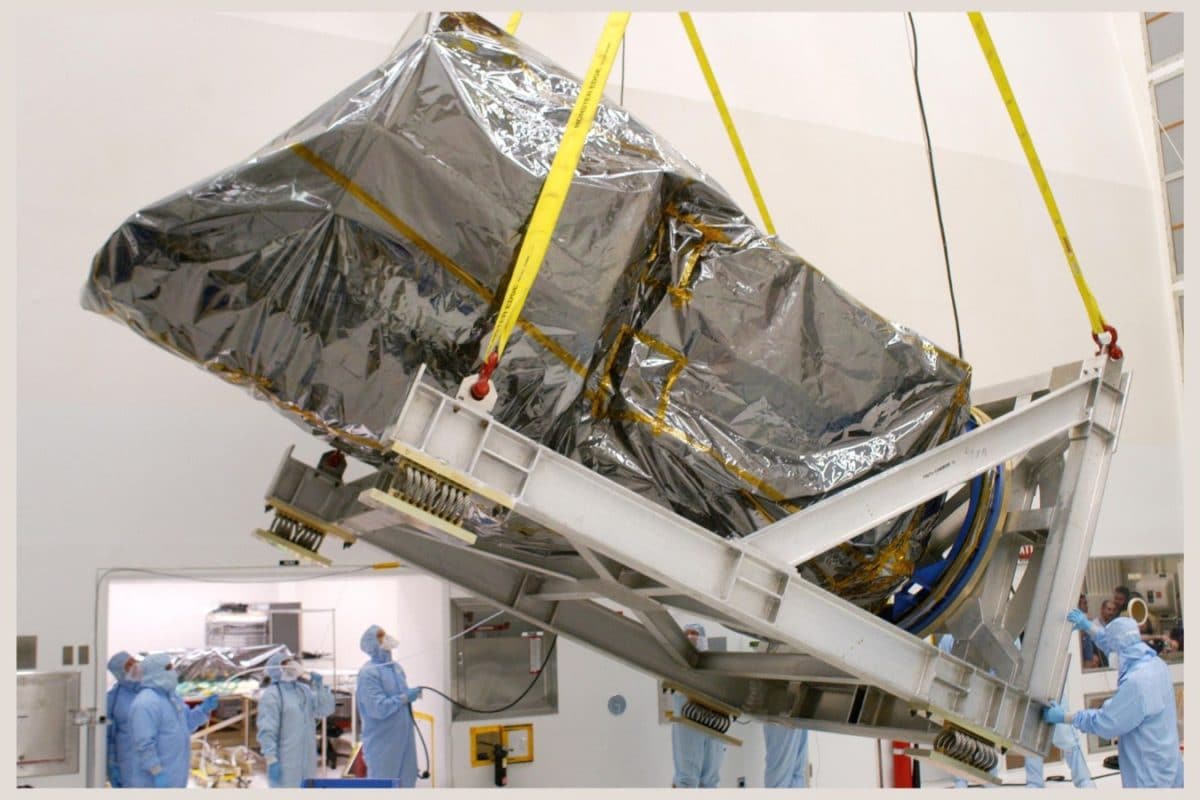
Image: News 18
NASA’s Swift telescope re‑enters atmosphere over Indonesia after rescue failure
SUMMARY
NASA’s Neil Gehrels Swift Observatory, a 1.5‑ton space telescope launched in 2004, re‑entered Earth’s atmosphere on Nov. 4, 2026, over Indonesia’s North Sumatra region at 7:39 a.m. ET. Most of the spacecraft burned up, but some components may have survived the descent. A private‑sector rescue attempt launched in July failed, and NASA estimated the chance of debris harming anyone at about 1 in 2,100.
WHY IT MATTERS
The event raises safety concerns for populations under the potential debris path, prompting calls for stricter de‑orbit planning, while also sparking debate over the cost and effectiveness of private‑sector rescue contracts and NASA’s allocation of resources for aging satellites.
◀ LEFT'S TAKE
Based on liberal positions on this issue, left‑leaning outlets emphasize the need for stronger oversight of costly private rescue attempts and argue that the incident highlights systemic underfunding of space debris mitigation. They criticize the $30 million spend as misdirected, suggesting the funds could have supported climate research or more sustainable satellite design, and they warn that repeated failures risk public safety and erode trust in government science programs.
RIGHT'S TAKE ▶
Based on conservative positions on this issue, right‑leaning outlets focus on the perceived wastefulness of the failed rescue mission and question NASA’s management of aging hardware. They frame the incident as evidence of bureaucratic inefficiency and argue that the low risk (1 in 2,100) does not justify the expense, urging tighter fiscal discipline and greater reliance on private industry to handle end‑of‑life satellite disposal.
RUSH
All Coverage (7 articles)
Left Leaning Sources
Right Leaning Sources
Unrated Sources
Bias Distribution
40% of the sources are Center
Left
Lean Left




Center
Lean Right

Right

RUSH FACTS
• Swift was launched in 2004 and spent roughly 22 years studying cosmic explosions.
• The telescope weighed about 3,200 pounds (1.5 tons).
• Re‑entry occurred at 7:39 a.m. ET on Nov. 4, 2026 over North Sumatra, Indonesia.
• NASA and the U.S. Space Force tracked the descent and predicted an 11‑hour uncertainty window.
• NASA said most of the spacecraft burned up, but some debris could survive.
• The agency quoted a roughly 1 in 2,100 chance of debris causing harm.
• A $30 million commercial rescue mission launched in July failed to boost the orbit.
Comments 0
Loading…
Loading comments…